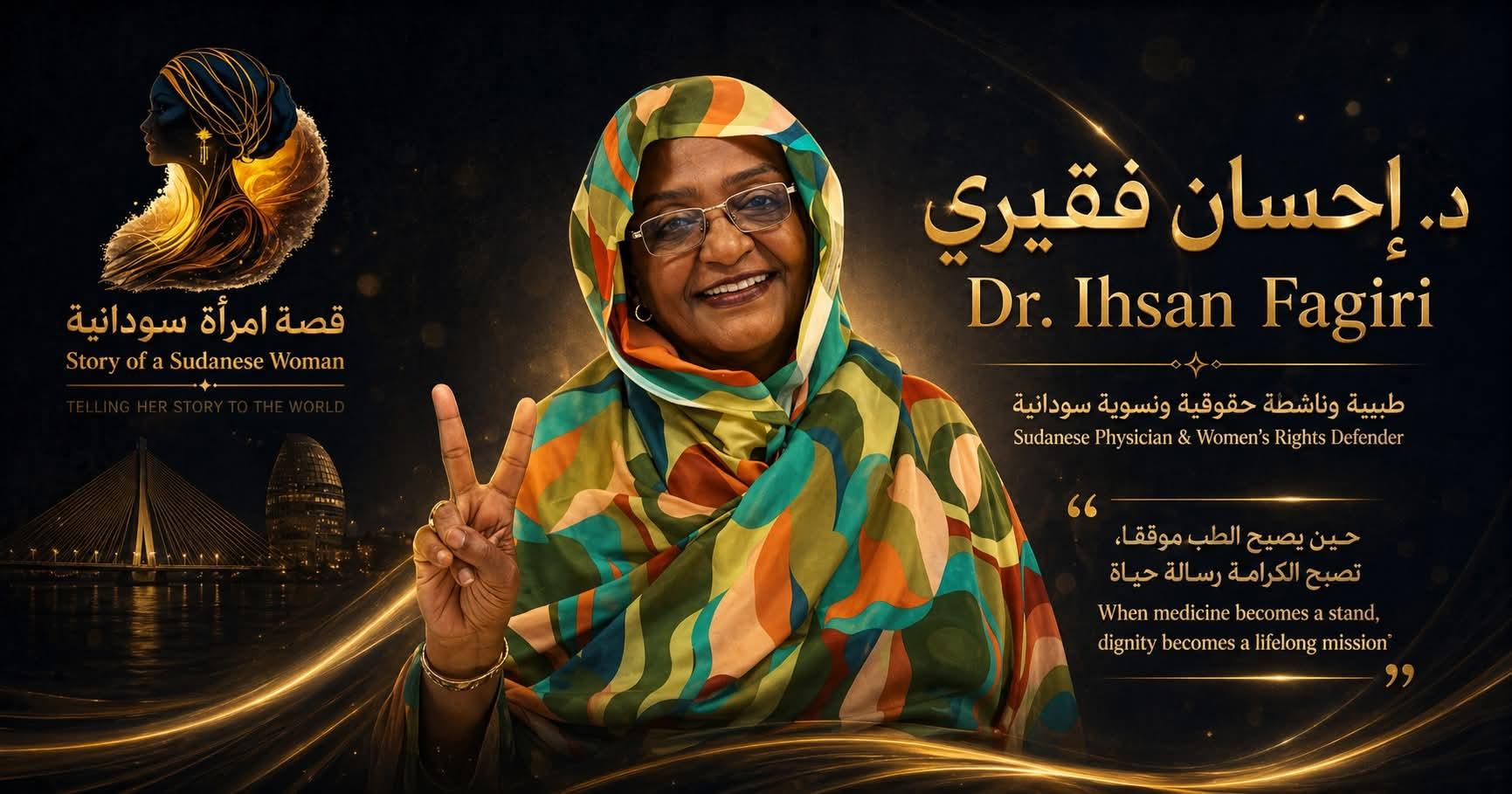
الدكتورة إحسان فقيري
طبيبة، أكاديمية، ناشطة حقوقية ونسوية سودانية، وإحدى مؤسسات مبادرة لا لقهر النساء، ومن أبرز الأصوات المدافعة عن حقوق النساء في السودان .
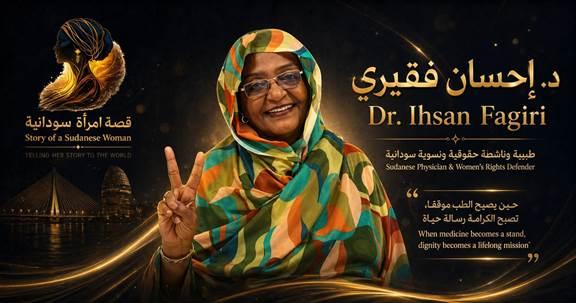
تُعد الدكتورة إحسان فقيري واحدة من الأسماء البارزة في تاريخ الحركة النسوية والحقوقية السودانية المعاصرة؛ امرأة جمعت بين رسالة الطب، ووعي الأكاديمية، وشجاعة الناشطة التي اختارت أن تقف في الصفوف الأمامية دفاعًا عن كرامة النساء وحقوقهن، في زمنٍ كانت فيه الكلمة موقفًا، وكان الدفاع عن النساء ثمنه الاعتقال والتضييق والمواجهة .
عملت د. إحسان فقيري طبيبة وأكاديمية، وورد في مصادر موثقة أنها عملت أستاذة مشاركة بكلية الطب في جامعة بحري. كما عُرفت بحضورها الفاعل في العمل العام والمهني والنسوي، وبانتمائها إلى مساحات نقابية وحقوقية كان لها أثر واضح في تاريخ السودان الحديث .
في العمل النقابي، كانت د. إحسان فقيري ضمن نقابة أطباء السودان الشرعية التي تكوّنت عام 2012، وقد مثّلت النقابة في تجمع المهنيين السودانيين الذي تكوّن مباشرة بعد تكوين النقابة، في مرحلة مهمة من مراحل التنظيم المهني والمدني في السودان .
وبرز اسمها على نحو خاص من خلال مبادرة لا لقهر النساء، إذ كانت د. إحسان فقيري إحدى مؤسسات المبادرة التي تأسست عام 2009 عقب قضية الصحفية السودانية لبنى أحمد الحسين، التي اعتُقلت مع نساء أخريات بسبب ارتداء البنطال، في ظل قوانين النظام العام التي استُخدمت لسنوات طويلة في التضييق على النساء وملاحقتهن في الفضاء العام .
وقد تحولت عبارة لا لقهر النساء من شعار احتجاجي إلى مبادرة نسوية وحقوقية واسعة الأثر؛ ارتبطت بالدفاع عن النساء أمام المحاكم، وتقديم الدعم القانوني، ورصد الانتهاكات، وتنظيم الندوات والحملات والمواقف الاحتجاجية .
لم تكن د. إحسان فقيري ناشطة من بعيد، بل كانت حاضرة في قلب المعركة اليومية ضد القوانين المهينة والممارسات القمعية التي مست النساء السودانيات في أجسادهن، وملابسهن، وأعمالهن، وحقهن في الوجود الكريم. وقد ركزت مبادرة لا لقهر النساء على دعم النساء المتأثرات بقوانين النظام العام، خاصة العاملات، وبائعات الشاي والطعام، والطالبات، والموظفات، ممن تعرضن للعنف اللفظي والجسدي، أو للملاحقة والمحاكمات المهينة .
وخلال سنوات العمل العام، تعرضت د. إحسان فقيري للاعتقال والاستدعاءات الأمنية أكثر من مرة، شأنها شأن كثير من النساء المدافعات عن الحقوق في السودان. وتشير المصادر إلى أنها كانت معتقلة سياسيًا منذ 22 ديسمبر 2018، كما ورد أنها احتُجزت في يناير وفبراير 2019، في سياق القمع الذي واجه المدافعات والمدافعين عن حقوق الإنسان خلال فترة الثورة السودانية .
نال جهدها تقديرًا دوليًا، إذ مُنحت جائزة فايمار لحقوق الإنسان لعام 2019 تقديرًا لدورها في الدفاع عن حقوق الإنسان وحقوق النساء في السودان. كما تشير المصادر إلى أن مبادرة لا لقهر النساء نالت عام 2014 جائزة حقوق الإنسان من وفد الاتحاد الأوروبي في السودان، تقديرًا لجهودها في المناصرة والرصد والدعم القانوني والعمل المدني .
وامتد اهتمام د. إحسان فقيري إلى قضايا النساء في مناطق النزاع، وخاصة النساء المتأثرات بالعنف في دارفور. وقد وثقت مصادر حقوقية أنها ناهضت استخدام الاغتصاب كسلاح حرب، ونظمت وقفات ومؤتمرات صحفية للتنديد بالعنف الجنسي ضد النساء، مطالبةً بالعدالة ومحاسبة المسؤولين عن الجرائم التي طالت النساء في مناطق الحرب .
ولم يتوقف أثرها عند حدود السودان؛ ففي عام 2025 أصبحت د. إحسان فقيري رئيسة الرابطة السودانية الكندية بمدينة هاملتون، مواصلةً دورها في خدمة المجتمع السوداني في المهجر، وربط قضاياه بقيم العدالة والكرامة والعمل المدني. كما تم تكريمها ضمن 30 شخصية نسائية في مدينة هاملتون من قِبل المنظمة الأفريقية الكاريبية في المدينة، تقديرًا لحضورها ودورها المجتمعي والإنساني .
ما يميز تجربة د. إحسان فقيري أنها لا تنتمي إلى نوع واحد من البطولة؛ فهي ليست فقط طبيبة، ولا فقط أكاديمية، ولا فقط ناشطة نسوية. هي امرأة صنعت من موقعها المهني والإنساني منصة مقاومة، ومن صوتها مساحةً للنساء اللواتي لم يجدن من يسمعهن. وقفت ضد قوانين كانت تُذل النساء باسم النظام، وضد صمت اجتماعي كان يضاعف ألم الضحايا، وضد تهميش سياسي كان يحاول إقصاء النساء من صناعة القرار .
إن سيرة د. إحسان فقيري هي سيرة امرأة سودانية آمنت أن الدفاع عن الحقوق ليس ترفًا، وأن كرامة النساء ليست قضية جانبية، بل هي قلب العدالة وروح المجتمع. ومن خلال عملها في الطب، والتعليم، والعمل النقابي، والمناصرة، والعمل النسوي، والعمل المجتمعي في السودان والمهجر، تركت أثرًا عميقًا في مسيرة الحركة النسائية السودانية .
وظلت شاهدة على أن المرأة السودانية لا تنتظر أن تُمنح مكانها في التاريخ، بل تصنعه بصبرها، ووعيها، وشجاعتها .
د. إحسان فقيري… صوتٌ سوداني شجاع، وطبيبة جعلت من المهنة موقفًا، ومن الدفاع عن النساء رسالة حياة .
Dr. Ihsan Fagiri
Sudanese Physician, Academic, Feminist Activist, Women’s Rights Defender, and Co-founder of the No to Women’s Oppression Initiative
Dr. Ihsan Fagiri is one of the prominent Sudanese voices in the contemporary women’s rights and human rights movement. She is a physician, academic, feminist activist, and public figure whose life and work reflect a deep commitment to dignity, justice, and the rights of Sudanese women.
Her journey brings together the mission of medicine, the awareness of academia, the courage of civic engagement, and the determination of a woman who chose to stand at the front lines in defense of women’s rights. At a time when speaking out came with a heavy price, Dr. Fagiri made her voice a position, and her professional and public life a form of resistance.
Dr. Fagiri worked as a physician and academic, and has been identified in documented sources as an Associate Professor at the Faculty of Medicine, University of Bahri. She has also been known for her active role in professional, civic, and feminist spaces that shaped important chapters in Sudan’s modern history.
In the field of professional and trade union work, Dr. Ihsan Fagiri was part of the legitimate Sudan Doctors’ Union, which was formed in 2012. She represented the union in the Sudanese Professionals Association, which was formed shortly after the establishment of the union, during a significant period of professional and civic organization in Sudan.
Her name became especially associated with the No to Women’s Oppression Initiative, of which she was one of the founders. The initiative was established in 2009 following the case of Sudanese journalist Lubna Ahmed al-Hussein, who was arrested along with other women for wearing trousers under the Public Order laws. These laws were used for years to restrict women’s movement, choices, work, and presence in public life.
What began as a protest slogan became a powerful feminist and human rights initiative. The phrase “No to Women’s Oppression” turned into a broad movement of advocacy, legal support, documentation, public awareness, seminars, campaigns, and peaceful resistance against laws and practices that humiliated women and violated their dignity.
Dr. Ihsan Fagiri was never a distant activist. She was present at the heart of the daily struggle against discriminatory laws and oppressive practices that affected Sudanese women’s bodies, clothing, work, movement, and right to exist with dignity. Through the initiative, she and other activists supported women affected by the Public Order laws, including working women, tea and food sellers, students, employees, and many others who faced verbal abuse, physical violence, prosecution, and degrading trials.
Throughout her years of public work, Dr. Fagiri was subjected to arrests and security summonses more than once, like many women human rights defenders in Sudan. Public sources indicate that she was held as a political detainee from December 22, 2018, and was also detained during January and February 2019, amid the repression of activists and human rights defenders during Sudan’s revolutionary period.
Her work gained international recognition when she was awarded the Weimar Human Rights Prize in 2019 in recognition of her commitment to human rights and women’s rights in Sudan. The No to Women’s Oppression Initiative had also received a Human Rights Award from the Delegation of the European Union to Sudan in 2014, in recognition of its advocacy, monitoring, legal support, and civic work.
Dr. Fagiri’s concern for women’s rights also extended to women in conflict zones, particularly women affected by violence in Darfur. Human rights sources have documented her work in opposing the use of rape as a weapon of war, as well as her participation in protests and press conferences condemning sexual violence against women and calling for justice and accountability.
Her impact did not stop at Sudan’s borders. In 2025, Dr. Ihsan Fagiri became President of the Sudanese Canadian Association in Hamilton, continuing her service to the Sudanese community in the diaspora and connecting its concerns with the values of justice, dignity, and civic responsibility. She was also honored among 30 distinguished women in the city of Hamilton by the African Caribbean organization in the city, in recognition of her community presence and humanitarian role.
What makes Dr. Ihsan Fagiri’s story exceptional is that it cannot be contained in one title. She is not only a physician, not only an academic, and not only a feminist activist. She is a Sudanese woman who transformed her professional and human position into a platform of resistance, and her voice into a space for women who were often unheard.
She stood against laws that humiliated women in the name of order, against social silence that deepened the pain of victims, and against political marginalization that tried to exclude women from shaping the future.
Dr. Ihsan Fagiri’s biography is the story of a Sudanese woman who believed that defending rights is not a luxury, and that women’s dignity is not a secondary issue, but the heart of justice and the soul of society.
Through her work in medicine, education, professional union activism, advocacy, feminist organizing, and community service in Sudan and the diaspora, she has left a profound mark on the history of Sudanese women’s movements.
Dr. Ihsan Fagiri remains a courageous Sudanese voice — a physician who turned her profession into a position, and her defense of women into a lifelong